Lọc bài viết theo
Chuyên mục
Tất cả
Chào ngày mới
Thời sự
Đời sống
Giáo dục
Kinh tế
Sức khỏe
Thế giới
Giới trẻ
Tôi viết
Văn hóa
Tiêu dùng thông minh
Blog phóng viên
Bạn cần biết
Bạn đọc
Magazine
Chính trị
Du lịch
Giải trí
Công nghệ
Video
Xe
Thể thao
Thời trang trẻ
Việc làm
TNO
Nhật ký Tết Việt
Diễn đàn
Rao vặt
Podcast
Cùng con đi tiếp cuộc đời
Cải chính
66
kết quả phù hợp
Sắp xếp theo







Văn hóa
07:06, 18/10/2022
Phim gia đình Việt đạt 5 triệu lượt xem tập đầu tiên
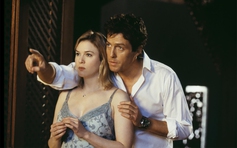
Giấc mơ của mẹ - bộ phim gia đình Việt 2022 (do VieON và Vie Channel hợp tác sản xuất, đạo diễn Nguyễn Minh Chung, Việt hóa từ phim Hàn All about my mom ) dù đã phát sóng được nửa chặng đường, lượt xem các tập đầu tiên của phim vẫn không ngừng tăng. Mới đây, tập 1 của bộ phim đã đạt 5 triệu view.
Thời trang 24/7
13:00, 03/12/2021
Bí quyết trong tủ đồ mùa đông của siêu mẫu sexy như Kendall Jenner là gì?
Siêu mẫu Kendall Jenner đã hợp tác với About You ra mắt BST lấy cảm hứng từ chính phong cách của cô. BST được thiết kế cho mùa Thu Đông 2021, gồm hơn 40 mẫu trang phục được làm từ chất liệu cao cấp, tập trung vào xu hướng thời trang năm 2021.

Thời trang nghề & nghiệp
20:00, 18/12/2020
Ca sĩ Hồ Ngọc Hà diện váy cưới JoliPoli kể chuyện tình yêu
Lần đầu tiên ca sĩ Hồ Ngọc Hà trải lòng kể chuyện tình yêu qua bộ phim tài liệu Let’s talk about love – Rồi một ngày Hà nói về tình yêu. Nữ ca sĩ đã diện những thiết kế cưới tuyệt đẹp của JoliPoli để thực hiện hình ảnh quảng bá cho phim.



Phong cách
04:34, 27/02/2017
Buổi diễn hoàng gia của Dolce & Gabbana tại MFW Thu Đông 2017
Thương hiệu Dolce & Gabbana đã đem đến Tuần lễ thời trang Milan Thu Đông 2017 một bộ sưu tập mang đậm phong cách hoàng gia. Trên sân khấu, chàng ca sĩ trẻ Austin Mahone khuấy động không khí bằng hàng loạt bản hit của mình như “Shake It for Me” và “What About Love?”.
Văn hóa
14:05, 16/10/2016
Giọng ca ‘All about that bass’ hẹn hò ngôi sao truyền hình ‘Spy Kids’
“Nàng béo” tài năng của làng âm nhạc thế giới Meghan Trainor mới đây vừa công khai đăng ảnh hẹn hò cùng Daryl Sabara, nam diễn viên của sê ri phim truyền hình đình đám Spy Kids (Điệp viên nhí) , theo ET Online.

Thư viện thời trang
00:00, 03/10/2016
Spring 2017 Ready-to-Wear
At a Resort preview in June, Mara Hoffman offered a glimpse into the next phase of her brand. The clothes were noticeably softer-looking than the vibrant prints and body-con dresses she’s known for, but the changes were deeper than that, too; Hoffman was busy making her collection more sustainable, from the fabrics to her sales strategy. Spring ’17 marked the first big push in that direction, with clothes that, as Hoffman put it, “you can wear and wear and wear.” The rise of disposable fashion was one reason Hoffman felt the need to shift her business, but she doesn’t want the clothes to scream sustainable or eco-conscious. “We still want to lead with an emotional response,” she said. “That has to be the first thing. You aren’t going to buy something out of a sense of duty, or because it’s sustainable. You have to really be in love with it.”For Hoffman, that started with the actual feel of the clothes. “Softness is so important to me,” she said. “I wear so much vintage, so I’m used to things that have really been worn.” A white shirtdress came in a lovely organic cotton jacquard from Japan, and Hoffman enlisted an all-women weaving group in India to create the dreamy powder blue–striped fabric for a slip dress and cropped trousers. Those textures had a warm, human touch that was missing in her signature prints, which often felt a bit flat. Hoffman admitted she hasn’t worn much print lately, and designing for herself is central to her new ethos; surely other like-minded women are craving washed-out colors and natural textures. “The root of the collection is still there,” she said. “It’s still about celebrating joy and happiness and color, but it’s just reinterpreted and a little more refined.”There were moments of vibrancy, too, consistent with what’s happening on the runways this season. Hoffman’s longtime devotees will zero in on the lemon yellow midi dress and rainbow-striped linen pieces; they packed the same punch as her digital prints, but with a softer, subtler feel.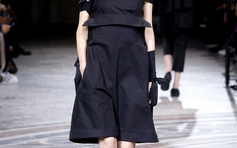
Thư viện thời trang
00:00, 01/10/2016
Spring 2017 Ready-to-Wear
An abstracted X-ray image tacked onto torn black paper served as the invitation to this season's Yohji Yamamoto show. “This invitation is about my feelings,” Yamamoto said after a characteristically contemplative show. “During my time in the fashion business, I’ve felt very alone.” Take a moment to appreciate such candor, whether or not you relate to it. Could the designer have unpacked this collection’s asymmetries, suspended states of undress, forced imperfections, or painted urges, and revealed as much? Likely not. He did, however, provide the surprising inspiration for his black body wrapping, which had the effect of inextricably linking garment to skin. In 1937, Jean Cocteau staged L’Œdipe Roi (Oedipus Rex) in Paris starring Jean Marais. And it was Coco Chanel who costumed the actor’s body in white bandages, subsequently earning her widespread disapproval.For several seasons, Yamamoto’s work has been met with higher industry praise even though he hasn’t much changed his dark, deconstructive refrain. It’s a perception shift, essentially. People feel he’s relevant again. The two red coats that torqued around the body with awkward elegance reminded everyone, like a flashing train light, that this aesthetic had been his domain long before the phenomenal rise of Vetements. One could speculate that these latest strikingly reconfigured jacket silhouettes, combined with the traces of paint marking their surfaces, were inspired by the designer’s fluctuating moods. They expose a level of vulnerability more common in art. Here’s a thought: In 2018, once this show’s venue, the Bourse de Commerce, has been transformed into an art museum belonging to Francois Pinault’s foundation, those silhouettes would make a fine installation.For now though, the sloped pockets floating randomly atop ivory shirtdresses and the braided cords running down the inside of a jacket presented themselves as unsolvable clues. More readable was the designer’s handwritten signature, which he threaded lengthwise into various looks (he sheepishly conceded that this was “commercial”). As with the other Japanese fashion masters, you find yourself asking of Yamamoto, “Do I want to wear something I cannot explain?” Most of the time, in his case, the answer is yes.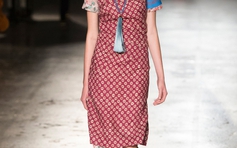
Thư viện thời trang
00:00, 25/09/2016